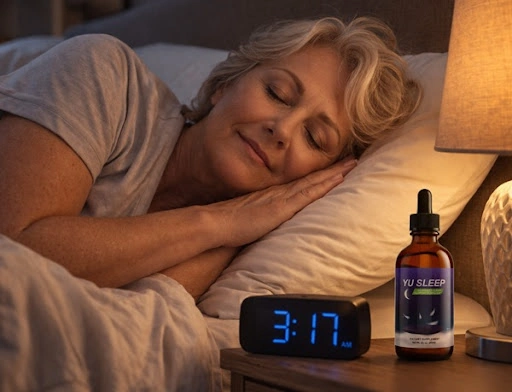
Sleep latency — the time it takes to fall asleep after getting into bed — is one of the more measurable, researchable aspects of sleep. Clinical sleep studies typically define normal latency as roughly 10-20 minutes; consistently taking much longer than that is a common target for behavioral sleep interventions. Here are six techniques drawn from that body of research.
What Sleep Latency Actually Measures
Sleep latency is typically measured from "lights out" to the onset of stage 1 sleep, either through self-report or, in clinical settings, EEG monitoring. It's a useful, concrete metric because it's less subjective than "how well did you sleep" and more directly targetable through specific behavioral changes.
1. Stimulus Control
This is a core technique in cognitive behavioral therapy for insomnia (CBT-I): using the bed only for sleep, and getting up if you haven't fallen asleep within roughly 20 minutes rather than lying awake, frustrated, in bed. The goal is strengthening the mental association between "bed" and "sleep" rather than "bed" and "wakeful frustration," which can otherwise become a self-reinforcing cycle.
2. Cognitive Shuffling
This technique involves picturing a series of unrelated, neutral objects — imagining a "lamp," then a "shoe," then a "cloud," with no logical connection between them. Unlike counting sheep, the deliberate randomness is thought to prevent the mind from settling into a coherent train of thought (including anxious ones), which can otherwise keep the brain in a more alert, engaged state.
3. Paced Breathing
Slow, extended-exhale breathing patterns (commonly a 4-count inhale, longer exhale) are associated with increased parasympathetic nervous system activity — the body's rest-and-digest state — and a corresponding decrease in heart rate and arousal. This is one of the more consistently studied non-drug interventions for reducing physiological arousal at bedtime.
4. Evening Light Management
Light — particularly blue-spectrum light from screens — suppresses melatonin production through photoreceptors in the eye that signal to the brain's circadian center. Dimming lights and reducing screen exposure in the 60-90 minutes before bed is one of the most well-supported, if underused, sleep latency interventions, precisely because it addresses the biological mechanism directly rather than working around it.
5. Supporting the Core Temperature Drop
Sleep onset is associated with a natural drop in core body temperature. A warm bath or shower 1-2 hours before bed can paradoxically support this — the resulting peripheral vasodilation (blood vessels near the skin widening) accelerates heat loss once you get out, supporting the temperature drop that helps initiate sleep. A cool bedroom (generally 65-68°F / 18-20°C) supports the same mechanism.
6. Scheduled Worry Time
Setting aside 10-15 minutes earlier in the evening — not at bedtime — to deliberately think through worries or write a to-do list has been studied as a way to reduce pre-sleep cognitive arousal. The idea is giving your mind a designated outlet for those thoughts earlier in the evening, so they're less likely to surface uninvited once you're trying to fall asleep.
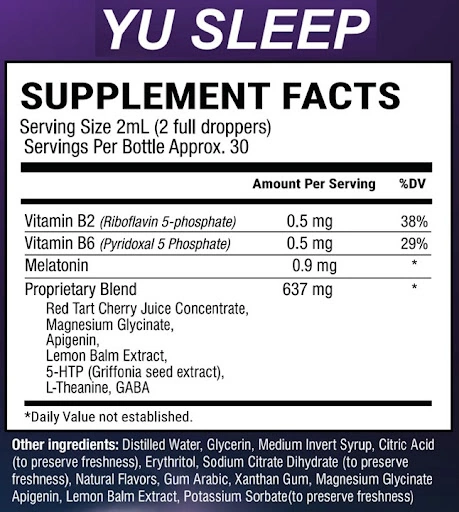
These techniques address sleep latency directly and don't require any product. Some people find that combining consistent sleep hygiene practices like these with a supportive, low-dose formula reinforces the routine while the behavioral changes take hold — though the habits themselves are the foundation either way.
Measuring Whether These Techniques Are Working
Because sleep latency is a concrete, trackable number, it's worth actually measuring it rather than relying on impression alone. A simple approach: note your approximate bedtime and your approximate time of falling asleep (a rough estimate is fine) for two weeks before starting any of these techniques, then continue tracking for two to four weeks after. Comparing the average across those periods gives you a more objective read on whether a given technique is making a measurable difference for you specifically, rather than relying on memory, which tends to be unreliable for something as subjective as "how long it took to fall asleep."
Combining Techniques for a Compounding Effect
None of these six techniques are mutually exclusive, and in practice, combining several tends to produce a larger effect than any single one in isolation. A reasonable starting combination: stimulus control (getting up if you're not asleep within 20 minutes) plus evening light management (dimming screens 60-90 minutes before bed) plus paced breathing once you're in bed. Layering in cognitive shuffling or scheduled worry time as needed for particularly restless nights rounds out a fairly comprehensive, low-effort toolkit that draws on several different mechanisms — behavioral, physiological, and cognitive — rather than relying on just one.
When Sleep Latency Doesn't Improve
If sleep latency remains consistently long — regularly exceeding 30 minutes — despite consistent use of these techniques over several weeks, that's a reasonable point to consult a doctor rather than continuing to self-experiment indefinitely. Persistent difficulty falling asleep can sometimes indicate an underlying condition, such as an anxiety disorder, restless leg syndrome, or a circadian rhythm disorder, that benefits from a more targeted evaluation and treatment approach than general sleep hygiene alone can address.
Caffeine's Specific Effect on Latency
Caffeine deserves its own mention here because of how directly it affects sleep latency specifically. With a half-life of roughly 5-6 hours, a cup of coffee at 3pm can still have a quarter of its original caffeine content active in your system at 9pm. Caffeine works by blocking adenosine receptors — adenosine being the compound that builds sleep pressure throughout the day — so residual caffeine at bedtime directly interferes with the biological mechanism that makes falling asleep quickly possible in the first place. An early-afternoon cutoff, rather than an evening one, tends to produce a more noticeable improvement in latency than most people expect.
The Bidirectional Link With Bedtime Anxiety
For many people, sleep latency and bedtime anxiety reinforce each other in a loop: lying awake creates frustration, frustration creates arousal, and arousal further delays sleep onset — which then feeds the next night's anticipatory anxiety about not being able to fall asleep. Breaking this loop is part of why stimulus control (getting up rather than lying awake frustrated) is considered one of the more effective techniques in behavioral sleep medicine — it interrupts the loop at its earliest point rather than trying to fight through it.
Data Point: Start Narrow, Then Expand
Behavioral sleep researchers generally recommend introducing one technique at a time and tracking its individual effect before adding another, rather than changing everything simultaneously. This isolates which specific intervention is driving any observed improvement in latency, which is useful both for troubleshooting what works for you personally and for maintaining the habit longer term, since a smaller initial change is easier to sustain than an overhauled evening routine adopted all at once.
Rough Benchmarks for Comparison
While individual variation is substantial, clinical sleep research generally treats a latency of 10-20 minutes as typical, 20-30 minutes as a mild concern worth monitoring, and consistently over 30 minutes as a pattern worth discussing with a doctor if it persists despite behavioral changes. These aren't diagnostic thresholds — only a clinician can make that determination — but they're useful rough benchmarks for deciding whether self-directed techniques are likely sufficient or whether it's time to seek more structured support, such as a referral for cognitive behavioral therapy for insomnia (CBT-I), which has one of the strongest evidence bases of any non-drug sleep intervention.
Summary
Sleep latency is measurable, and the six techniques covered here — stimulus control, cognitive shuffling, paced breathing, evening light management, supporting the core temperature drop, and scheduled worry time — each target a different piece of the physiological and cognitive process behind falling asleep. Layering a few consistently, rather than trying all of them for one night each, tends to produce the most reliable data on what's actually working for you.